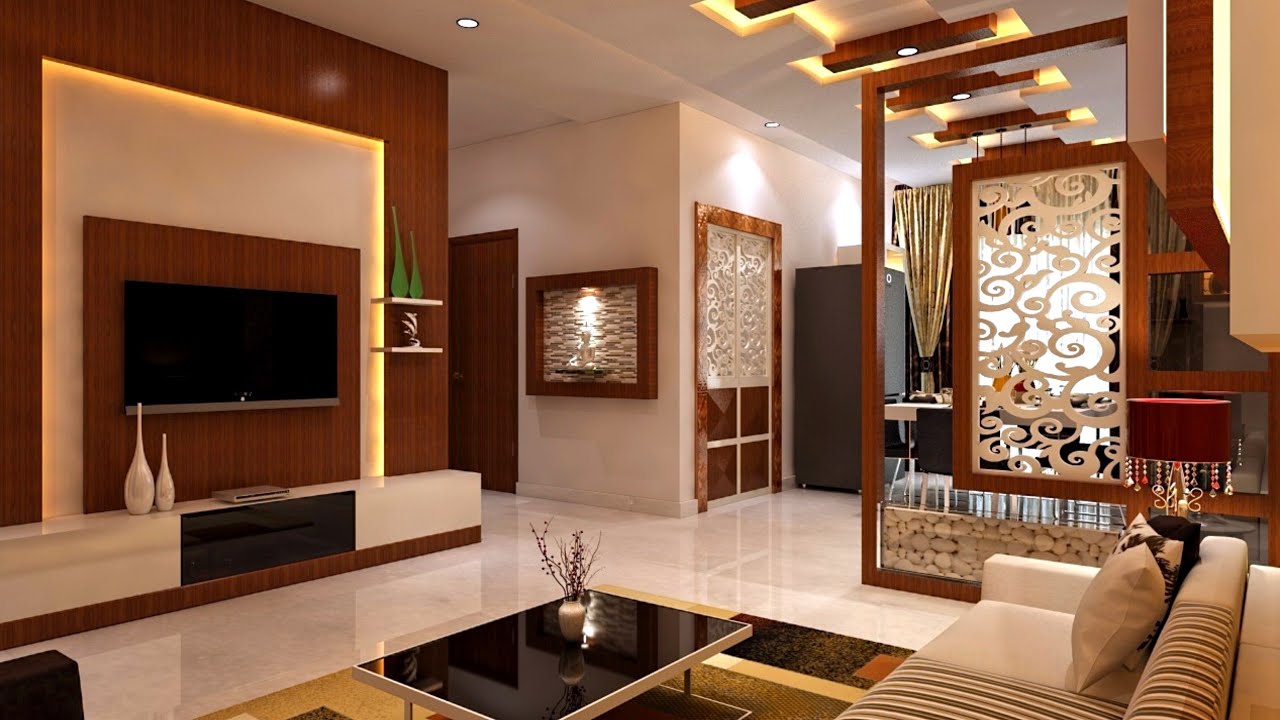
Interior design decoration is an essential part of shaping how people experience their living and working environments. It is not just about making a space look beautiful, but also about improving functionality, comfort, and emotional well-being 裝修設計. In today’s modern world, interior design decoration has evolved into a blend of art, architecture, and psychology, where every detail contributes to creating meaningful and practical spaces that reflect personal style and lifestyle needs.
At its core, interior design decoration focuses on transforming empty or ordinary spaces into visually appealing and functional environments. This process involves selecting colors, furniture, lighting, textures, and decorative elements that work together harmoniously. A well-decorated interior can influence mood, productivity, and overall quality of life. Whether it is a home, office, restaurant, or commercial space, thoughtful design plays a crucial role in shaping user experience.
One of the most important aspects of interior design decoration is space planning. Proper space utilization ensures that every area serves a purpose without feeling cluttered or empty. Designers carefully analyze room layouts to determine the best arrangement of furniture and decor. This helps create balance and flow within the space, making it more comfortable and efficient to use. Good space planning also improves movement and accessibility, which is especially important in smaller areas.
Color selection is another fundamental element of interior design decoration. Colors have a powerful psychological impact and can influence emotions and behavior. Warm colors such as red, orange, and yellow create energy and warmth, while cool colors like blue, green, and purple promote calmness and relaxation. Neutral tones are often used to create a balanced and timeless look. By combining colors strategically, designers can create specific atmospheres that suit the purpose of each room.
Lighting plays a vital role in enhancing interior spaces. Natural light is highly valued in interior design decoration because it creates a sense of openness and positivity. Artificial lighting, on the other hand, is used to highlight specific areas, create ambiance, and improve functionality. Different types of lighting, such as ambient, task, and accent lighting, are used together to achieve a well-balanced environment. Proper lighting design can completely transform the appearance of a room.
Furniture selection is also a key component of interior design decoration. The choice of furniture determines both the style and functionality of a space. Modern interior design often emphasizes minimalism, with clean lines and simple forms, while traditional styles may focus on detailed craftsmanship and rich textures. Comfort, durability, and proportion are important factors when selecting furniture to ensure it complements the overall design theme.
Textures and materials add depth and character to interior spaces. Combining different materials such as wood, glass, metal, and fabric creates visual interest and enhances the sensory experience of a room. Soft textures like cushions and rugs add warmth, while harder surfaces like stone and metal provide contrast and structure. The careful balance of textures is essential in achieving a cohesive interior design decoration.
Decorative elements such as artwork, plants, and accessories bring personality to a space. These details reflect the tastes and interests of the occupants, making the environment feel more personal and inviting. Plants, in particular, are widely used in interior design decoration because they add freshness and improve air quality. Artwork and decorative objects serve as focal points that enhance visual appeal and create conversation pieces within a room.
Modern interior design decoration also emphasizes sustainability. With increasing awareness of environmental issues, many designers are adopting eco-friendly practices. This includes using sustainable materials, energy-efficient lighting, and recycled or upcycled furniture. Sustainable design not only reduces environmental impact but also creates healthier living environments. This trend reflects a growing desire to combine aesthetics with responsibility.
Technology has also influenced the field of interior design decoration. Smart home systems, automated lighting, and digital design tools have transformed how spaces are planned and experienced. Designers now use advanced software to create 3d models and virtual walkthroughs, allowing clients to visualize their spaces before implementation. Smart technology also enhances convenience by allowing users to control lighting, temperature, and security systems with ease.
Cultural influences play a significant role in shaping interior design styles. Different regions and traditions inspire unique design approaches, from minimalist Japanese interiors to vibrant Mediterranean spaces. These cultural elements add diversity and richness to interior design decoration, allowing for endless creativity and expression. Incorporating cultural themes can make spaces more meaningful and connected to heritage.
The psychology of interior design decoration is another important aspect to consider. The way a space is designed can affect mood, behavior, and mental well-being. Open and organized spaces tend to reduce stress and increase productivity, while cluttered environments can have the opposite effect. Designers often use psychological principles to create environments that support relaxation, focus, or social interaction depending on the purpose of the space.
In commercial environments, interior design decoration plays a crucial role in branding and customer experience. Retail stores, restaurants, and offices use design elements to communicate identity and attract customers. A well-designed commercial space can influence purchasing decisions and improve employee satisfaction. This makes interior design an important investment for businesses aiming to enhance their reputation and performance.
Trends in interior design decoration continue to evolve over time. Minimalism, biophilic design, industrial styles, and contemporary aesthetics are some of the popular trends shaping modern interiors. Each trend reflects changing lifestyles and preferences, offering new ways to approach space design. However, timeless principles such as balance, harmony, and functionality remain at the core of all successful interior design projects.
In conclusion, interior design decoration is a dynamic and multifaceted discipline that combines creativity, functionality, and psychology to create meaningful spaces. It goes beyond aesthetics to improve how people live, work, and interact with their surroundings. As technology advances and lifestyles change, interior design will continue to evolve, offering innovative solutions that enhance comfort, sustainability, and personal expression. Ultimately, well-designed interiors have the power to transform ordinary spaces into inspiring environments that enrich everyday life.